Born in Tarkastad
Bantu Stephen Biko is born on 18 December 1946 in Tarkastad, Eastern Cape, the third of four children of Mzingaye and Nokuzola Biko. He grows up in the township of Ginsberg.
Expelled from Lovedale College after his older brother is detained on suspicion of Poqo activities. He completes his schooling at St. Francis College, Mariannhill — a turning point in his political awakening.
Enrols to study medicine at the University of Natal's Black Section. He joins the multiracial National Union of South African Students (NUSAS) but grows disillusioned with its white liberal leadership.
Helps establish the South African Students' Organisation (SASO) — an all-Black student union. SASO becomes the seedbed of the Black Consciousness Movement.
Co-founds the Black People's Convention (BPC), spreading Black Consciousness beyond campuses. He works on community programmes in Durban, then Ginsberg — clinics, literacy, self-reliance.
The apartheid government issues a banning order: confined to King William's Town, forbidden from speaking publicly, writing for publication, or being with more than one person at a time.
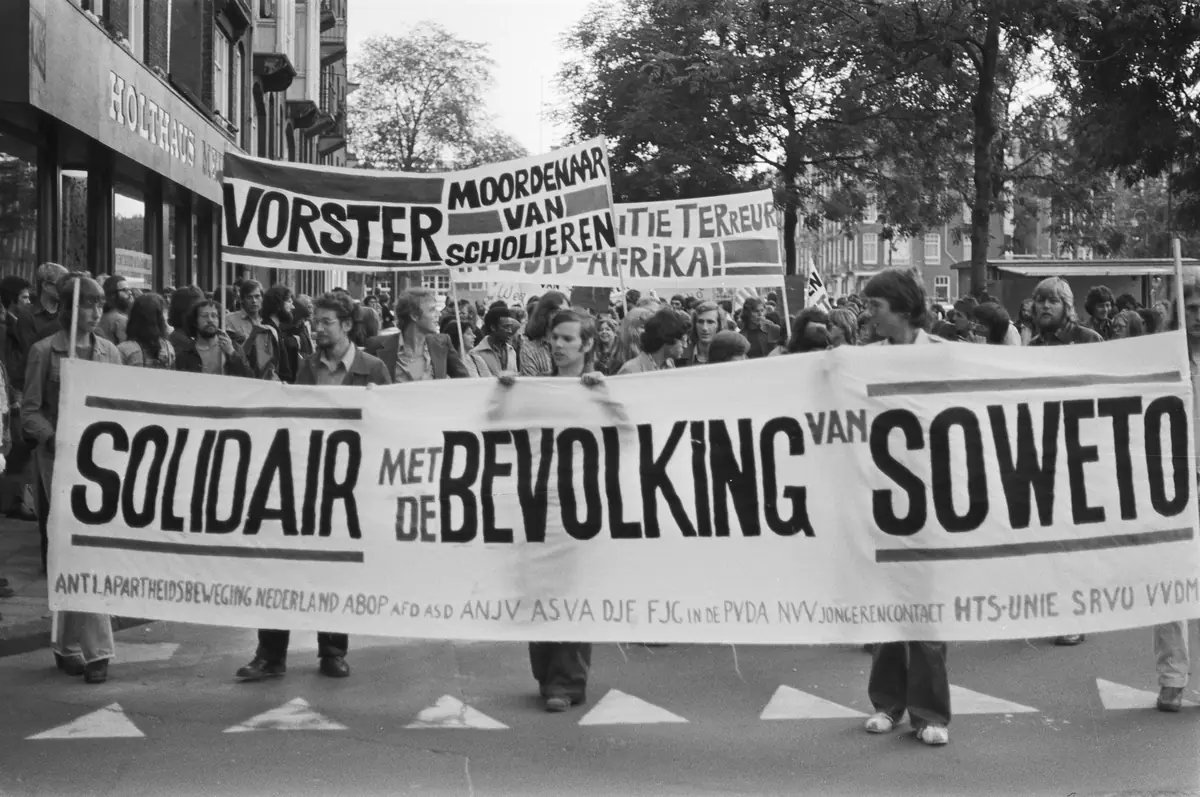
Arrested on 18 August at a police roadblock near Grahamstown. Interrogated, beaten and shackled naked in Room 619, Sanlam Building, Port Elizabeth. Driven more than 1,100 km in the back of a Land Rover to Pretoria. Dies on 12 September of brain injuries. He is 30 years old.
“I think basically Black Consciousness refers itself to the black man and to his situation…”
His funeral draws about 20,000 mourners. The truth of his killing is denied for years. In 1997 the Truth and Reconciliation Commission hears testimony from his killers, and it later refuses them amnesty. In 2025 the inquest into his death is reopened. His writing, smuggled and translated, becomes required reading from Soweto to São Paulo.